Your Knowledge Base Just Woke Up, and It's Ready to Work
Three seconds. That is how long DraftKings' AI now takes to resolve a customer inquiry that once required pulling from account systems, payment processors, and policy databases at the same time. During major sporting events they handle 40,000 of these requests per second at 98% accuracy.
That is not an incremental improvement. It is the difference between a library and a workforce.
The Architecture That Changed Everything
For two years, most enterprise AI has run on retrieval augmented generation. You ask a question, the system searches your documents, an LLM writes an answer. Simple, useful, and increasingly obsolete.
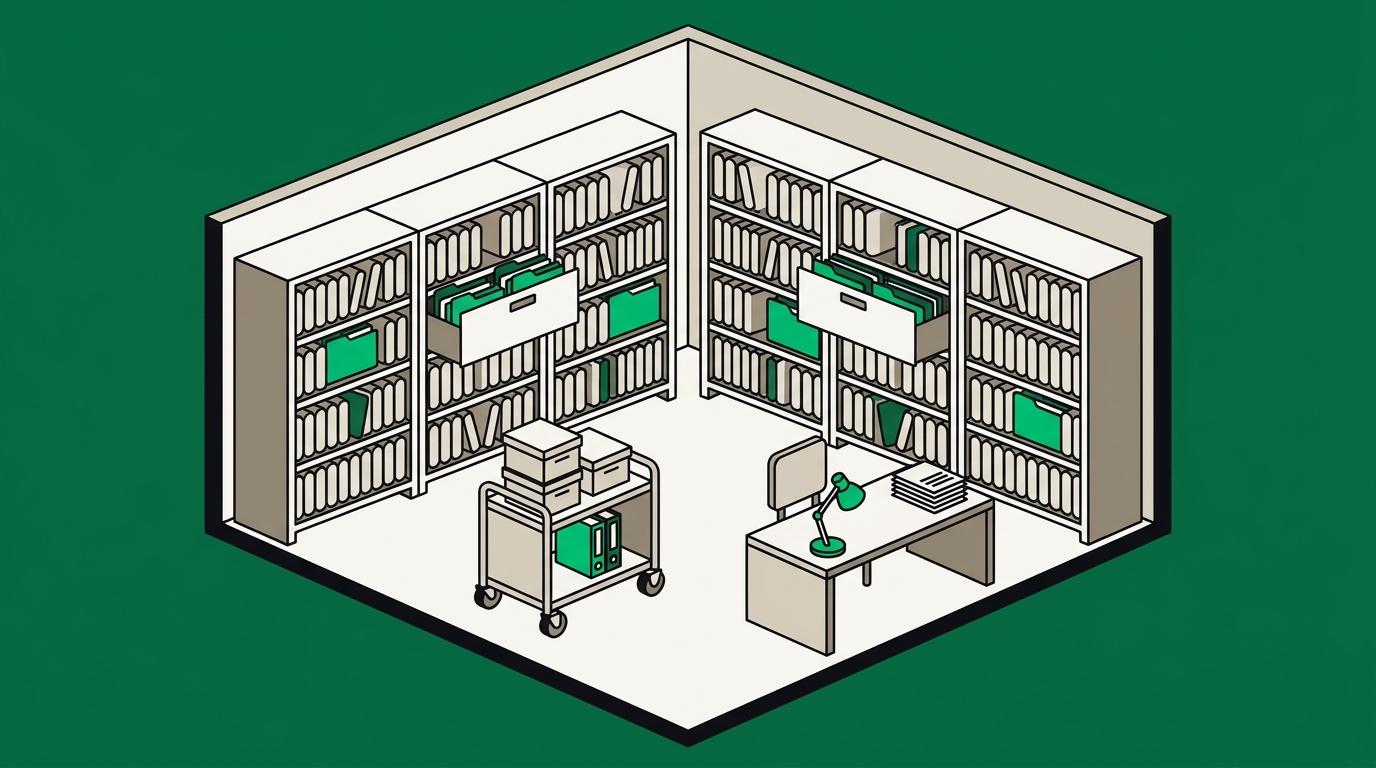
The limitation was never intelligence. It was sequencing. Traditional RAG handles a request like a single librarian: find the book, read the section, write the response. That works for a straightforward question. It collapses the moment you need information from five systems that do not talk to each other.
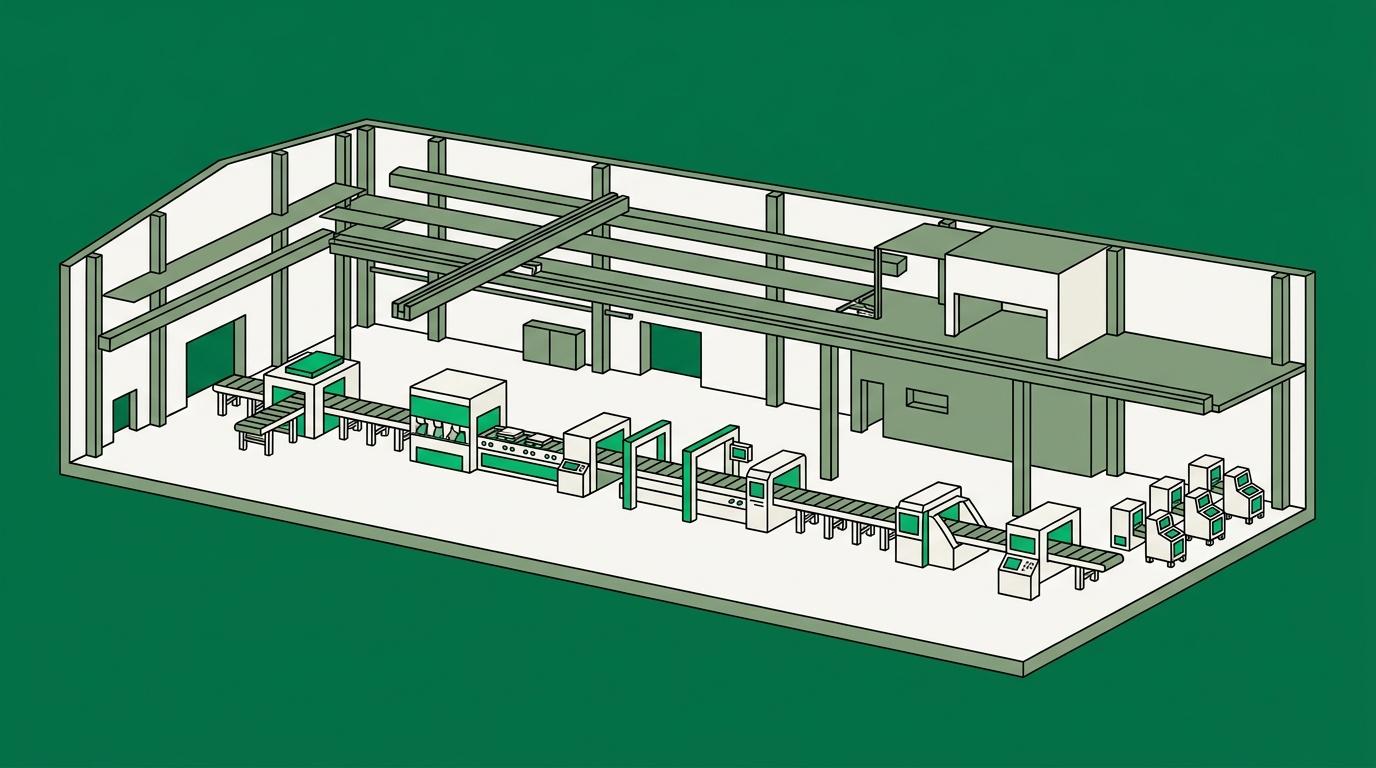
Agentic RAG replaces the librarian with a team. It queries your CRM, checks live inventory, pulls customer history, and verifies pricing at the same time, then synthesizes all of it in under three seconds. The AI no longer just searches for an answer. It reasons about what it needs, runs several actions in parallel, and assembles the result.
United Airlines and Netomi deployed exactly this architecture. Complex itinerary changes touching fare rules, loyalty points, and live flight status now resolve autonomously, at scale.
Why This Matters Now
88% of enterprises have already put AI into at least one mission-critical function. Basic chatbot capability is table stakes. The advantage has moved to depth: systems that can navigate the messy reality of enterprise data spread across legacy APIs, siloed databases, and real-time feeds.
Meanwhile 73% of organizations name data fragmentation as their main barrier to scaling AI. The bottleneck is not model capability. It is architecture.
That is why the economics flipped. Older approaches needed expensive retraining every time your knowledge changed. Agentic systems update in minutes by swapping external data nodes. No retraining, no million-dollar refresh cycle. The AI stays current because it reads live sources instead of frozen snapshots.
The business impact is measurable.
- 30 to 50% reduction in internal analysis time on knowledge-intensive tasks
- 40 to 60% of high-volume customer support automated without human intervention
- Workers using AI across 7+ task types save 10+ hours per week, 5x more than those using it only for simple text generation
Datadog's pivot tells the story. They moved from selling observability tools to selling an AI Agents Console that automates incident response. Customers report 70% faster resolution. That is not an efficiency gain. It is a different operating model.
The Risk You're Not Tracking
The conversation has moved past hallucination. The new risk is calibrated trust: the gap between how confident your team is in the AI's output and what the system can actually deliver reliably.
Penda Health in Kenya is worth studying. They implemented agentic AI to review urgent care visits against global care guidelines and measurably reduced diagnostic errors. They also built it as a background system that augments clinicians rather than replacing judgment. That posture is the one that scales.
There is a regulatory wrinkle too. Advanced knowledge systems like ChatGPT Health face geoblocking in the UK and EU. If you operate globally, your AI capability will vary by jurisdiction whether you planned for that or not.
What This Means for Your Next Move
Audit your architecture, not just your AI vendor. The difference between a chatbot and an agentic system is not the model. It is whether you built the orchestration layer that lets AI reason across your actual data landscape.
Measure usage depth. Time saved on text generation is a rounding error. The ROI multiplier arrives when your team uses AI for reasoning, planning, and execution across multiple workflows.
Design for trust boundaries. Your system will be wrong sometimes. The question is whether your organization knows where those boundaries sit, and whether the humans in the loop are positioned to catch what the AI misses.
The knowledge base you built three years ago was a library. The one you need now is a team. The companies making that shift are not simply moving faster. They are operating in a different gear.