

The Bot Factory: Why Your Next AI Investment Should Be Architecture, Not Agents
Most companies putting AI on the 2026 roadmap are building agents. Very few are building the thing that produces agents. That distinction decides whether your second AI project costs as much as your first.
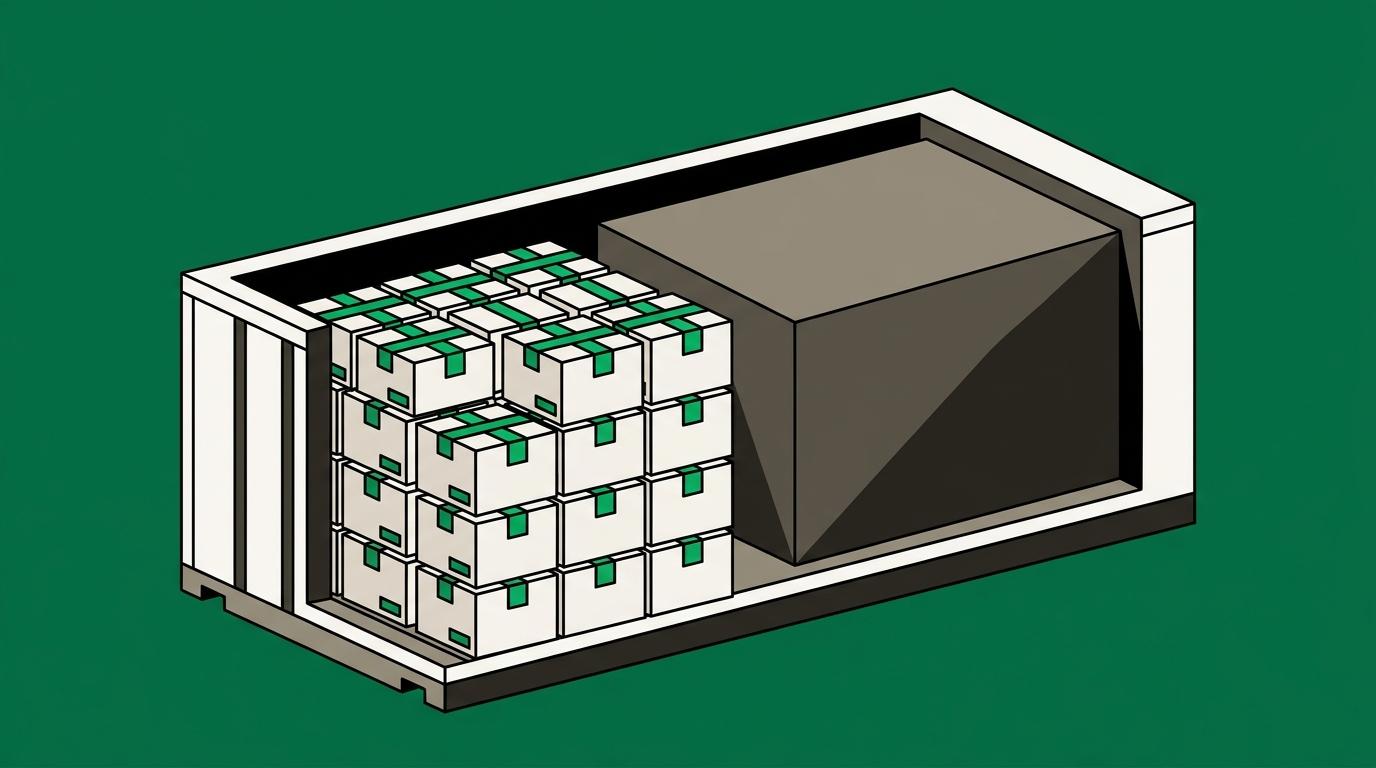
One Fortune 500 client spent eight months and $2M on a custom AI assistant for internal IT support. It works. It also cannot be extended to HR, Finance, or Legal without starting over, which means the next three departments each carry roughly the same bill. A competitor spent four months building the platform underneath first. They now run eleven specialized agents on one shared infrastructure, one security model, and one observability stack.
The gap between those two outcomes has nothing to do with model quality. Both teams had access to the same models. The difference is what got built underneath them.
The Hidden Tax on Your Technical Talent
Roughly 30% of your senior engineers' productive hours go to support work: answering Slack questions about GitHub permissions, walking colleagues through documentation, provisioning licenses. None of it is difficult. All of it arrives unannounced, and an interruption costs far more than the two minutes spent answering it.
Across a full engineering org, that is senior salary funding junior work, every week, permanently.
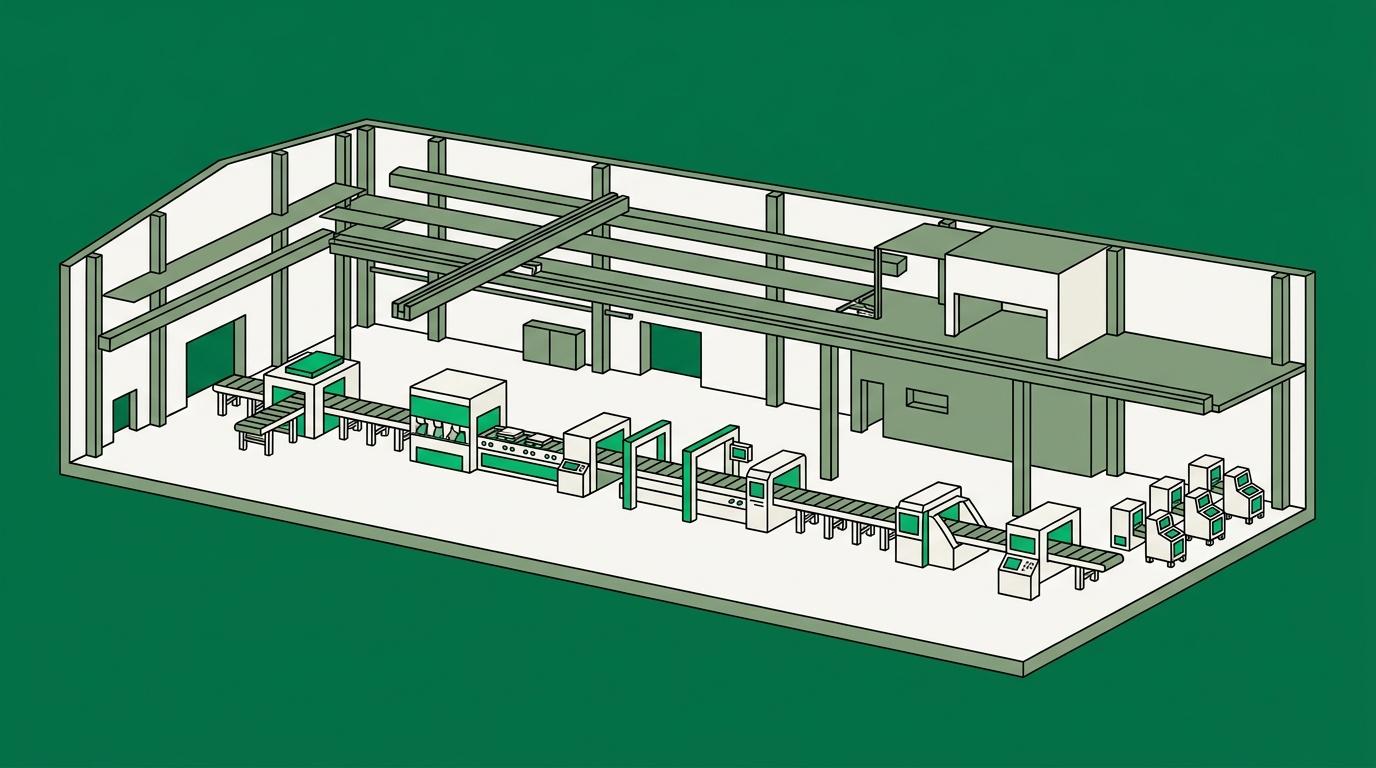
The instinct is to build a chatbot for it. The better move is to build the thing that produces chatbots.
The “AgentCore” Breakthrough
The idea worth understanding is decoupling logic from tooling. In plain terms, separate what your AI decides from how it acts.
Most agent builds wire the model's reasoning straight into specific APIs and databases. Salesforce ships an API change, or your authentication requirements move, and you are back inside the agent rewriting it. Every integration you add becomes a permanent maintenance obligation.
An AgentCore Gateway sits between the agent's decisions and your infrastructure. The agent says to update a customer record. The gateway determines how that actually happens, including authentication, rate limiting, and error handling.
Your backend can then change without breaking anything built on top of it. Security patches land once at the gateway instead of across a dozen separate agents. One team owns the plumbing and everyone else works on business logic.
Where the 46% Comes From
Operating costs have fallen faster than most budgets assume. Newer agent communication frameworks, TopoDIM among them, cut token consumption by nearly half while improving task accuracy. Combine that with fine-tuning aimed at planning and tool use rather than raw recall, and agent-first workflows clear an economic threshold they were nowhere near a year ago.
For most high-frequency operational work, running an agent now costs less than the human labor for the same task. Not cheaper once you reach scale. Cheaper per unit, today.
That changes the build versus wait calculation on nearly every automation project sitting in your backlog.
What This Means for Your 2026 AI Roadmap
Three shifts worth making.
Audit your agent inventory. More than two AI implementations sharing no infrastructure means you are already carrying technical debt, and each one is a separate surface to secure. Consolidation is not only an efficiency argument.
Invest in the gateway, not just the agents. Teams that deploy well treat agent architecture as a platform. The first agent is expensive. The tenth should be a configuration exercise.
Reclaim the support tax. Internal IT and HR are the obvious starting points: high volume, low complexity, already documented. Recovering that 30% of engineering bandwidth is the fastest return available in enterprise AI right now.
Architecture Is the Constraint Now
Architecture decisions have started to matter more than model decisions. The models are good enough for most of what a business actually needs. The open question is whether your organization can deploy, secure, monitor, and iterate on them at the speed the business moves.
Companies building factories will outrun companies building bots. That is already happening, not a forecast.