

I run two companies. Between them, I have nine AI agents working right now. Marketing, dev, finance, admin, outreach. They live in our Slack, run on schedules, and handle a significant chunk of work that used to be on my plate or on my team's plate.
Someone recently asked me a question I did not expect to struggle with: how is this different from Claude Cowork?
Cowork is Anthropic's always-on agent product. Custom MCP integrations, long-running context, scheduled tasks. It is genuinely good. And a lot of the features in the agent framework I built already exist in Cowork.
So what is actually different?
It took me a while to arrive at the answer, but it comes down to one thing: collaboration.
The One-to-One Model
Most AI assistant products follow the same pattern. You talk to an agent. It does a thing. You get a result. The interaction is one-to-one. Human to AI, AI to human. That is the model behind Cowork, behind ChatGPT, behind every AI assistant on the market.
And for a lot of use cases, it works. Need a research summary? One-to-one is fine. Need to draft an email? One-to-one is fine. Need to analyze a spreadsheet? One-to-one is fine.
The limitation shows up when the work is not self-contained.
What Many-to-Many Looks Like
Here is what actually happens in my setup:
When my marketing agent runs into a bug on the website, she pings the dev agent to fix it. She does not file a ticket. She does not wait for a human to triage. She sends a message, the dev agent picks it up, fixes the code, and pushes a commit.
When I spin up a new agent, I do not write a setup doc. I ping an existing agent and tell it to onboard the new one. It walks the new agent through the tools, the repos, the credentials, and the workflows.
When my admin agent needs an event image, he asks my marketing agent to generate it. She pulls the API key, writes the prompt, saves the file, and tells him where to find it.
No human in the loop for any of that.
These agents are not just executing tasks. They are coordinating with each other to solve problems that span multiple domains. That is the difference between an assistant and a team.
Why Collaboration Changes Everything
The gap between one-to-one and many-to-many is not incremental. It is structural.
In a one-to-one model, every task that touches two domains requires a human to be the router. Marketing needs something from dev? You are the middleware. Finance needs context from ops? You are the translator. The human becomes the bottleneck, not because they are slow, but because they are the only node connected to every other node.
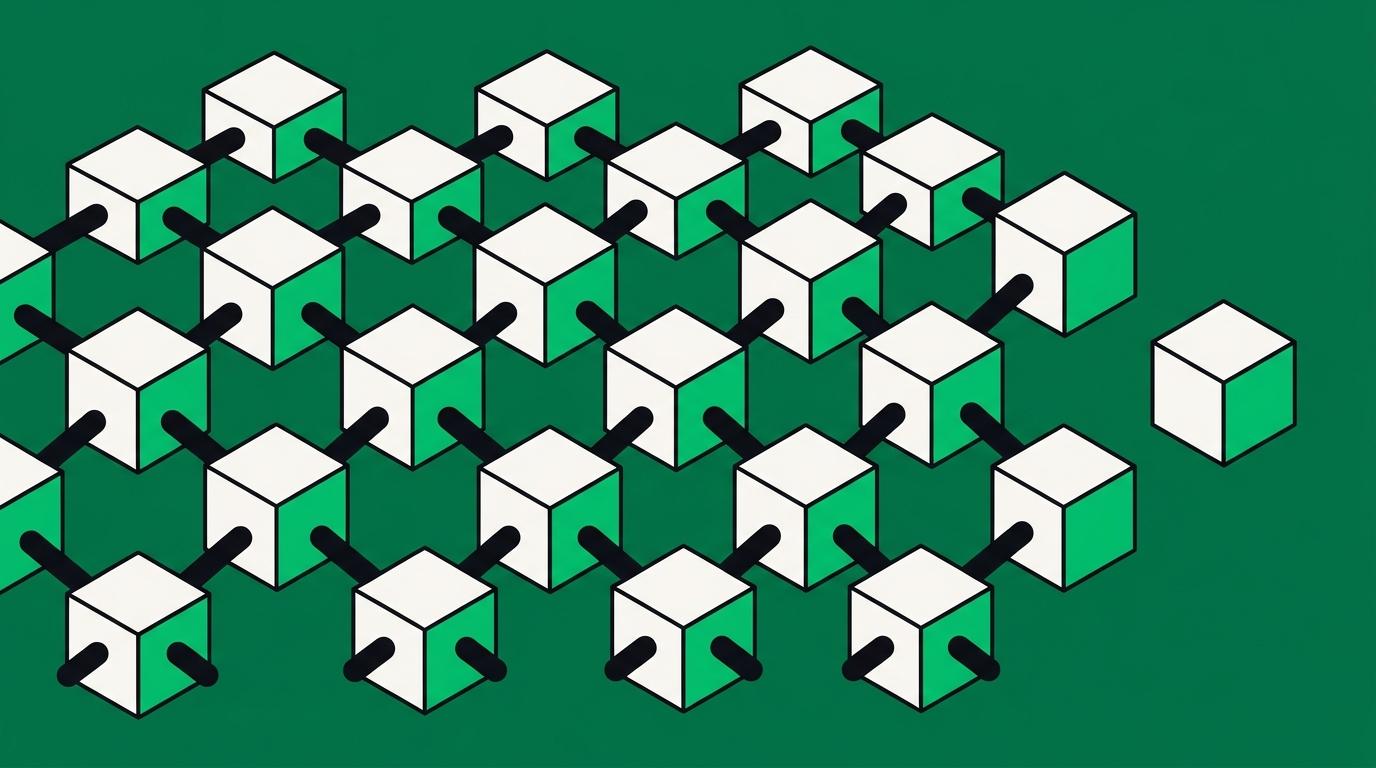
In a many-to-many model, agents route work to each other. The human sets direction and makes judgment calls. The coordination happens without you.
This is not a theoretical distinction. It changes what you can get done in a day.
What It Takes to Build This
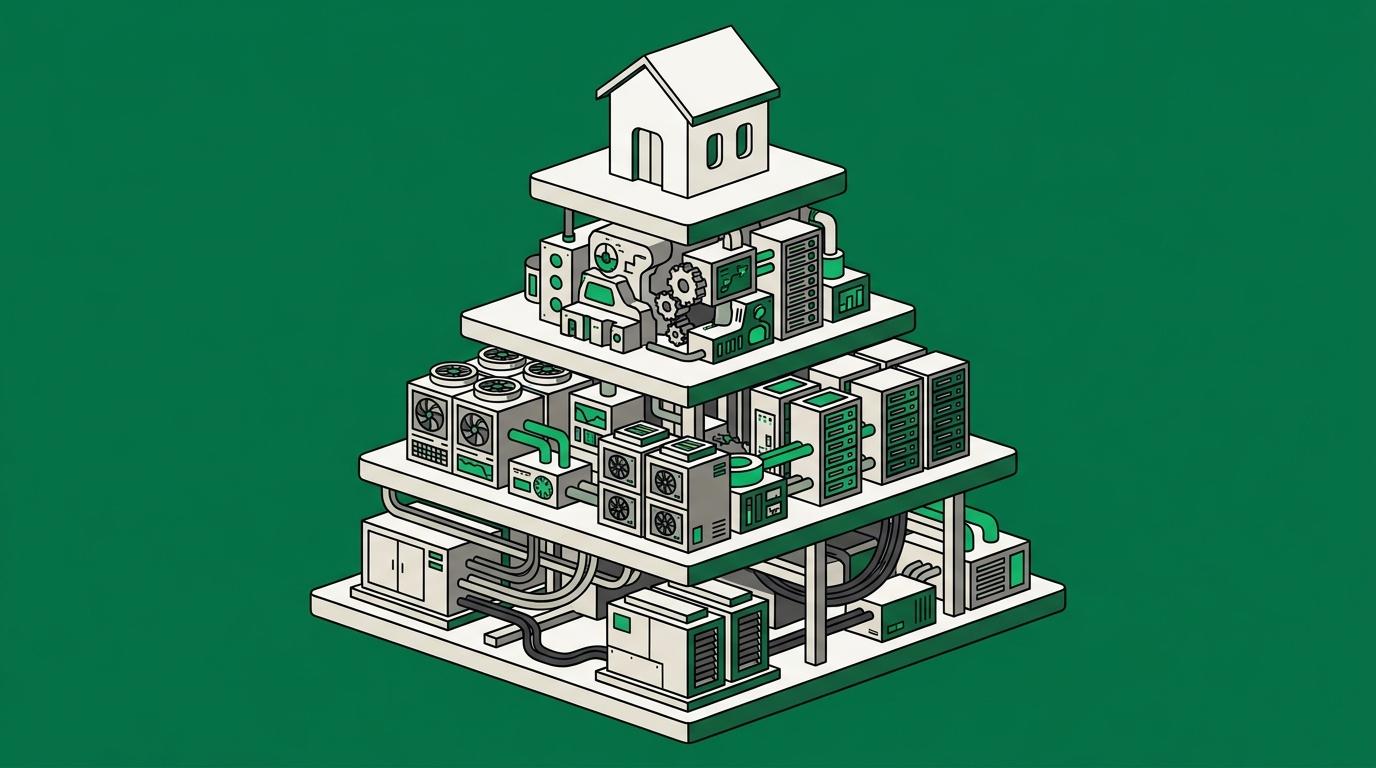
I will not pretend this is plug-and-play. Building an agent team that actually collaborates requires infrastructure that does not exist out of the box yet:
Shared communication layer. My agents live in Slack and can message each other through a fleet management system. They see each other's messages, they can interrupt each other, they can hand off context. Without a shared channel, agents are just isolated workers.
Persistent identity and memory. Each agent has its own memory, its own docs, its own repos. When my marketing agent references a conversation from last week, she can actually recall it. Without persistence, every interaction starts from zero.
Clear scope and authority. Every agent has a defined role, a set of tools it can access, and boundaries it cannot cross. The marketing agent cannot push code to production. The dev agent cannot send emails to clients. Without boundaries, collaboration becomes chaos.
Orchestration. Someone has to manage the fleet. In my setup, one agent acts as the chief of staff, handling scheduling, syncing cron jobs, onboarding new agents, and monitoring health. Without orchestration, the team drifts.
Where This Is Going
I think the industry is about 12 to 18 months away from many-to-many being a standard product feature. The building blocks are all there: tool use, long-running context, MCP, persistent sessions. What is missing is the coordination layer.
Right now, if you want a team of agents that actually work together, you have to build the connective tissue yourself. That will not be true forever. But the companies and founders who figure out the patterns now will have a meaningful head start when the tools catch up.
Cowork gives you a really good assistant. An agent team gives you a really good team.
One-to-one versus many-to-many. That is the gap.